
Last weekend I spent time setting up an “advanced agents” coding workflow — the kind that promises to magically build applications for you while you sleep.
Well, the only thing that didn’t sleep was me, while building these flows.
But it is interesting. (and yes the title is clickbait, no iguanas in this post)
I put together visuals showing the typical progression of these workflows and my take on what works — and what doesn’t. Here’s how I see it:
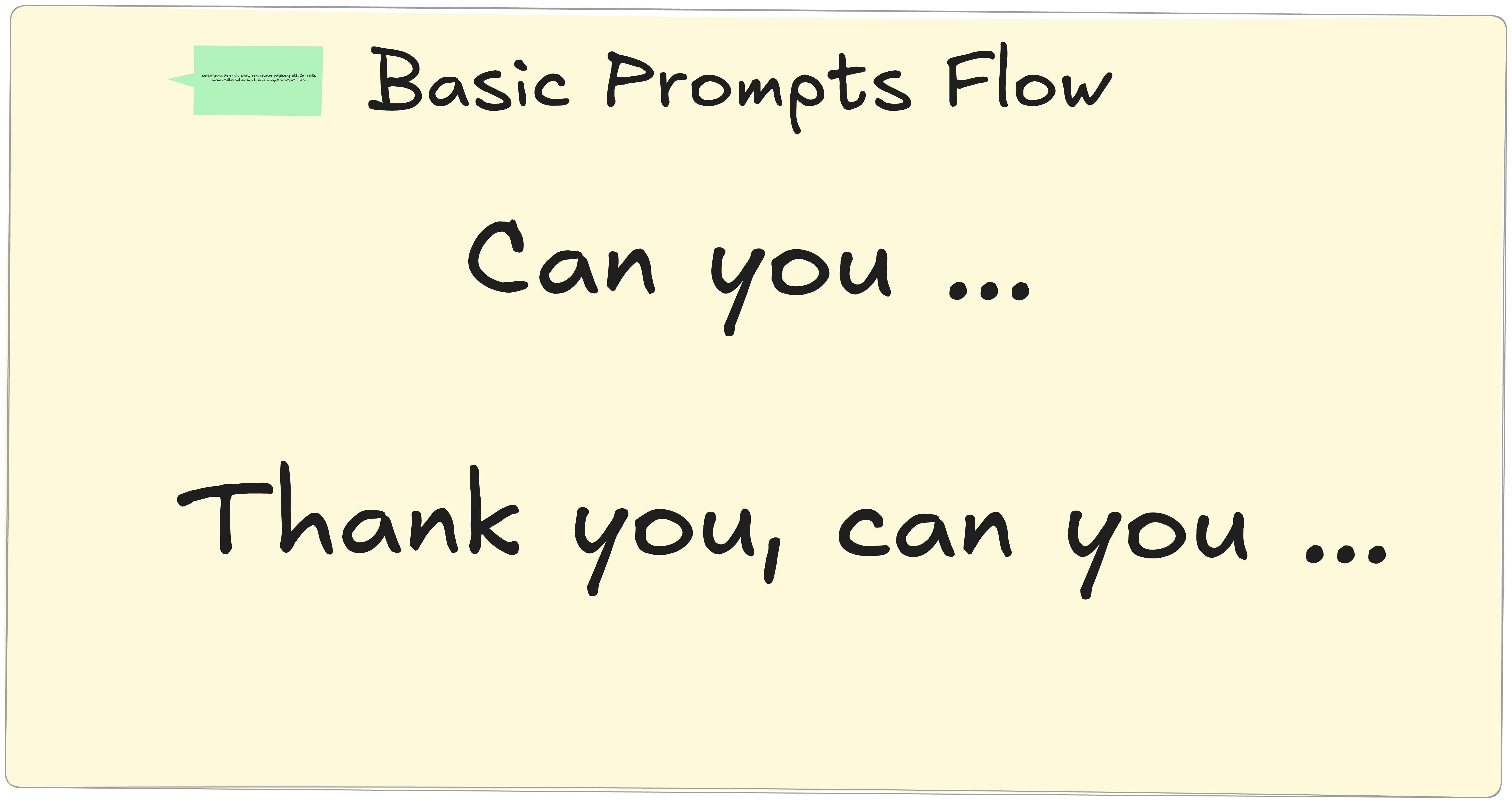
1. Basic Prompt Flow
By now, everyone should be doing this. Single prompt → single output.
2. Prompt Engineering Flow
This is where I spend most of my time. My goal is to learn while building, and this flow forces you to think, iterate, and understand what’s happening. In practice, I usually mix this with the next one.

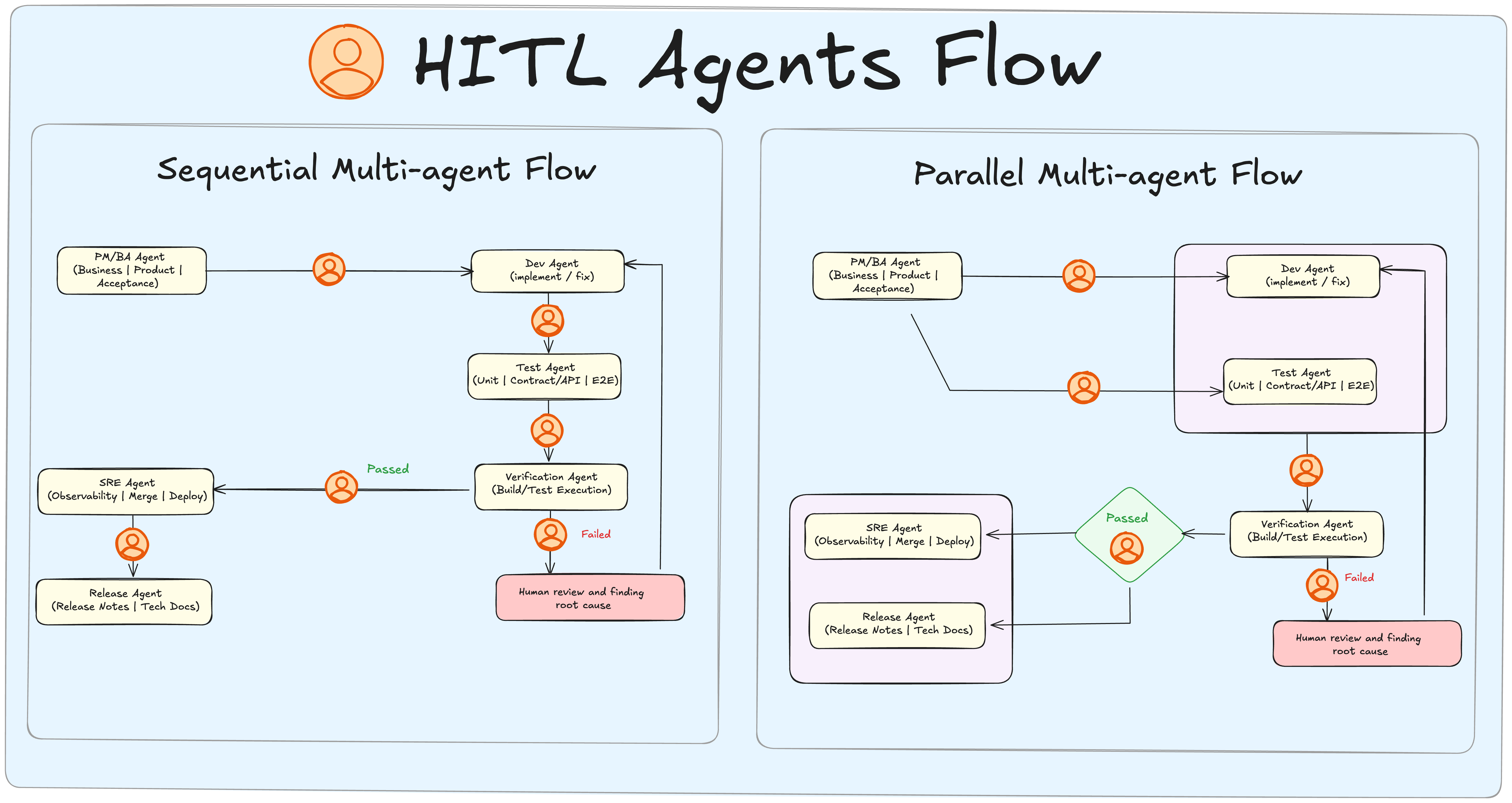
3. Human-in-the-Loop (HITL) Agents Flow
You have agents for specific tasks. You review their output and decide who runs next — or who gets skipped. Honestly, this is my favorite flow so far. It gives you a false sense of control… but it’s still control.
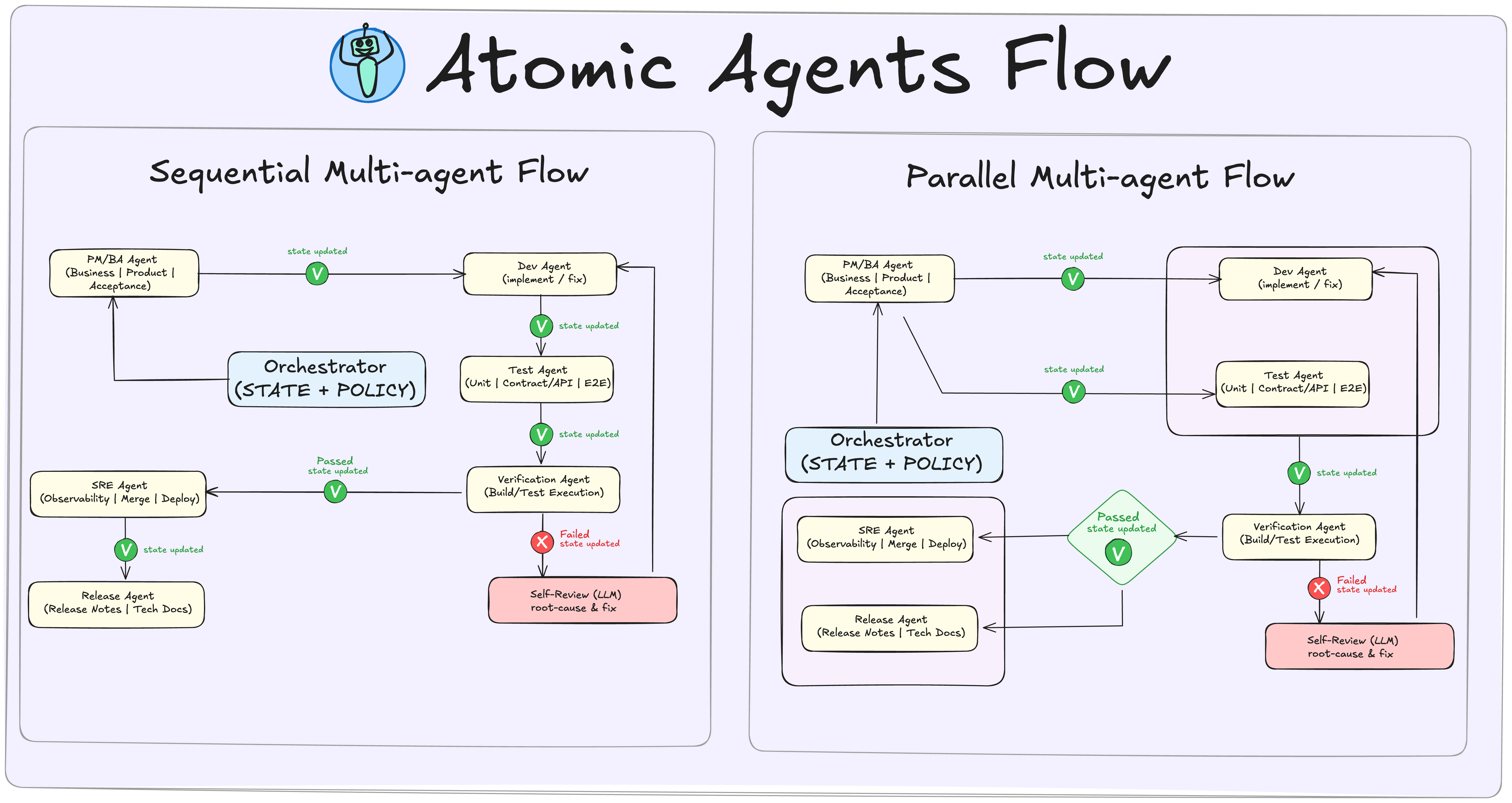
4. Atomic Agents Flow
You tell an orchestrator what feature to work on next. The orchestrator decides which agents to call and when.
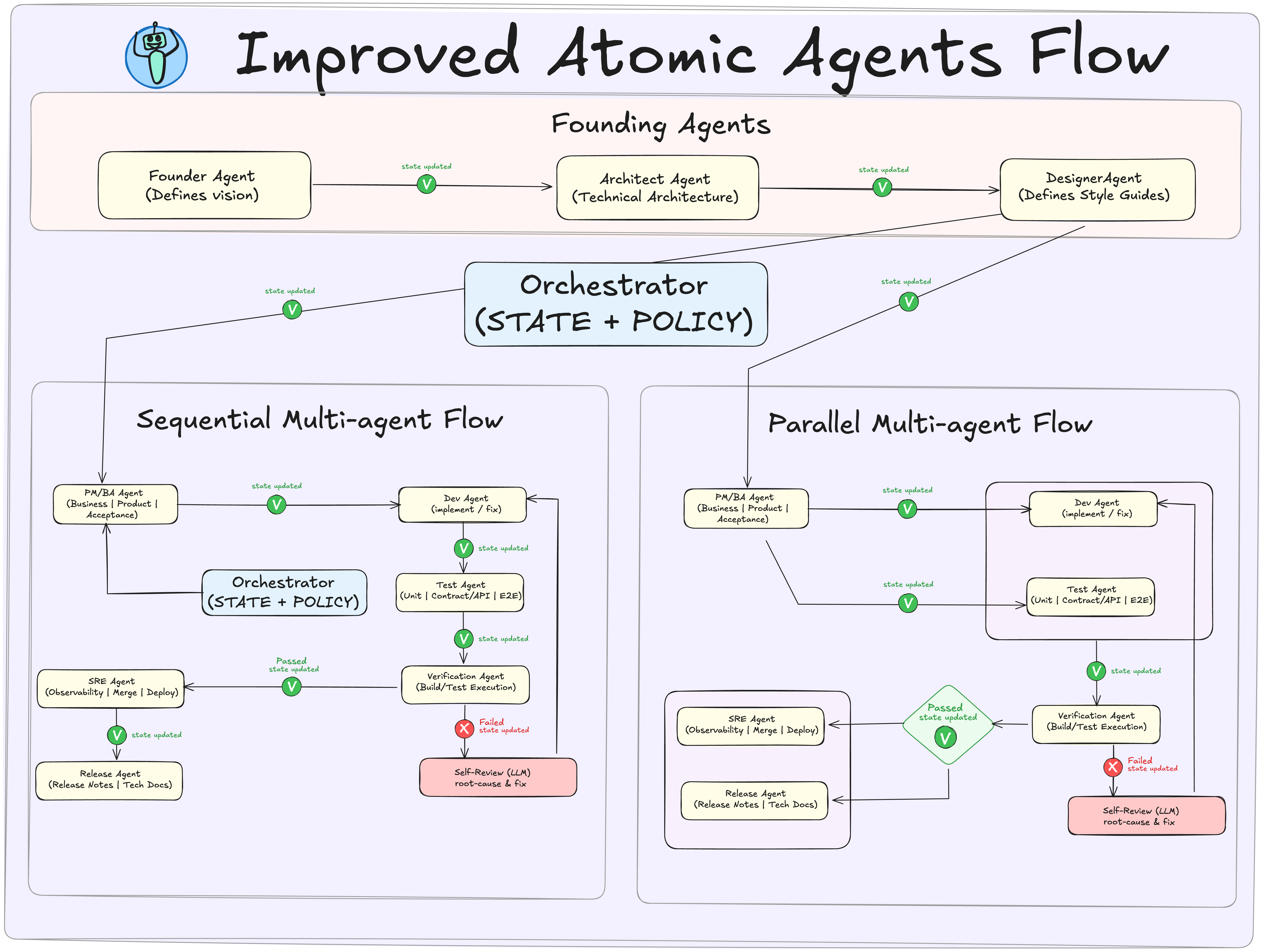
5. “Advanced” Atomic Agents Flow (name made up, but that’s what it feels like)
You introduce power agents — Founder, Architect, Designer — to define structure early on.
Once the foundation is set, you drop the “advanced” part and let the atomic flow take over.
My takeaway:
The last two flows are slower than I need as a solo developer.
I can see them shining on multi-person teams